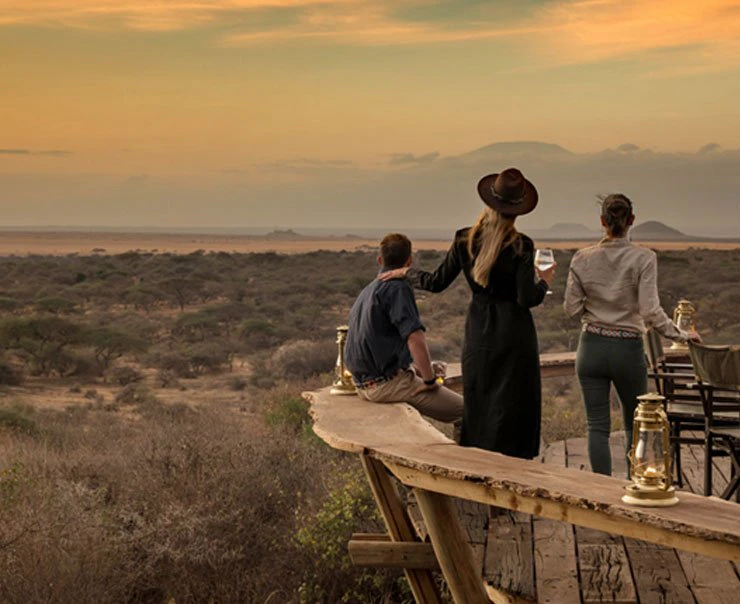
Overview
The Makgadikgadi Pan is among the world’s largest salt flats, covering an area of approximately 16,000 km2. Once part of the ancient Lake Makgadikgadi, all that now remains is a vast expanse of salt-encrusted terrain. This desolate landscape transforms during the wet season when the rains fill the pans, attracting migratory wildlife and turning the area into a vibrant ecosystem.
Despite its arid nature, the Makgadikgadi Pan is home to a surprising array of life. Adapted species such as brown hyenas, bat-eared foxes, and aardwolves roam the edges of the salt flats, while colonies of habituated meerkats provide intimate wildlife encounters. The pan is also steeped in history, with archaeological evidence revealing that early humans once thrived along its shores. Visitors can explore this unique terrain on quad bikes, horseback safaris, and guided walks with San Bushmen, who share their deep knowledge of survival in this extreme yet captivating landscape.

Accommodation
Our top picks


Salt of the Earth
The Makgadikgadi Pan is a shining example of Botswana’s dramatic geological history. Once covered by a massive ancient lake, these expansive salt flats now reveal the remnants of a vast ecosystem that existed thousands of years ago. This is a landscape of stark beauty, an endless span of white, shimmering under the African sun. Visitors are struck by the desert’s scale and deathly silence, which feels untouched by time and human culture.
The unique geology of the Makgadikgadi Pan makes it a treasure trove for fans of natural history. Beneath the salt-encrusted surface lie layers of ancient sediments, fossils, and archaeological artefacts that tell the story of an area that once teemed with life, while recent studies of human mitochondrial DNA suggest that modern Homo sapiens first began to evolve in this region some 200,000 years ago.


Two Sides to Every Story
The pans themselves undergo a dramatic seasonal transformation that reveals a dual identity: both a barren salt flat and a thriving wetland. During the dry months, the pans are stark and arid, their desolate beauty drawing adventurers and photographers to experience its moon-like terrain.
When the rains arrive, the pans are reborn, transforming into vibrant wetlands with abundant life. The flats turn into shallow lakes, attracting large groups of zebra and wildebeest. Flamingos and other waterbirds also flock to these newly formed lakes to feed and breed. This annual metamorphosis showcases nature’s resilience and makes the Makgadikgadi Pan a destination of remarkable contrasts.
An Island in the Desert
Kubu Island, a striking granite outcrop rising from the salt flats, is a place of profound natural and cultural significance. Surrounded by a sea of white salt, the island is adorned with ancient baobab trees, while its granite boulders and fossilized remains hint at its geological past. Its remote and timeless beauty makes Kubu Island a sought-after destination for those seeking a deeper connection to Botswana’s unique landscapes.
Kubu Island is also an extremely important spiritual site for the indigenous people of the region. The name “Kubu” means “hippo” in the local language, reflecting the island’s connection to the ancient Lake Makgadikgadi. Considered a sacred site, it is used for traditional ceremonies and rituals. Visitors to the island are encouraged, therefore, to tread respectfully.


Custodians of the Land
The San people, who are among the oldest continuous cultures in the world, have called the Makgadikgadi Pan home for thousands of years. With a deep connection to the land, their traditions offer insights into a way of life that has endured despite the challenges of modernity. Visitors to the region have the opportunity to learn about their ancient tracking skills, medicinal uses of plants, and survival techniques that have been honed over millennia in this harsh, arid environment.
What makes the San experience in the Makgadikgadi Pan particularly special is their storytelling tradition. Around a crackling fire under a canopy of stars, the San recount tales of their ancestors and myths tied to the pans. These stories, often accompanied by rhythmic clapping and dancing, breathe life into the seemingly desolate environment and illuminate the cultural richness of this vast expanse.
Experiences

Big Cats
.gardine-gradient-big

Night Drives
.gardine-gradient-small

Walking Safari
.gardine-gradient-small

ATV Tours
.gardine-gradient-big

Birdwatching
.gardine-gradient-big

Stargazing
.gardine-gradient-small

Cultural Tours
.gardine-gradient-small
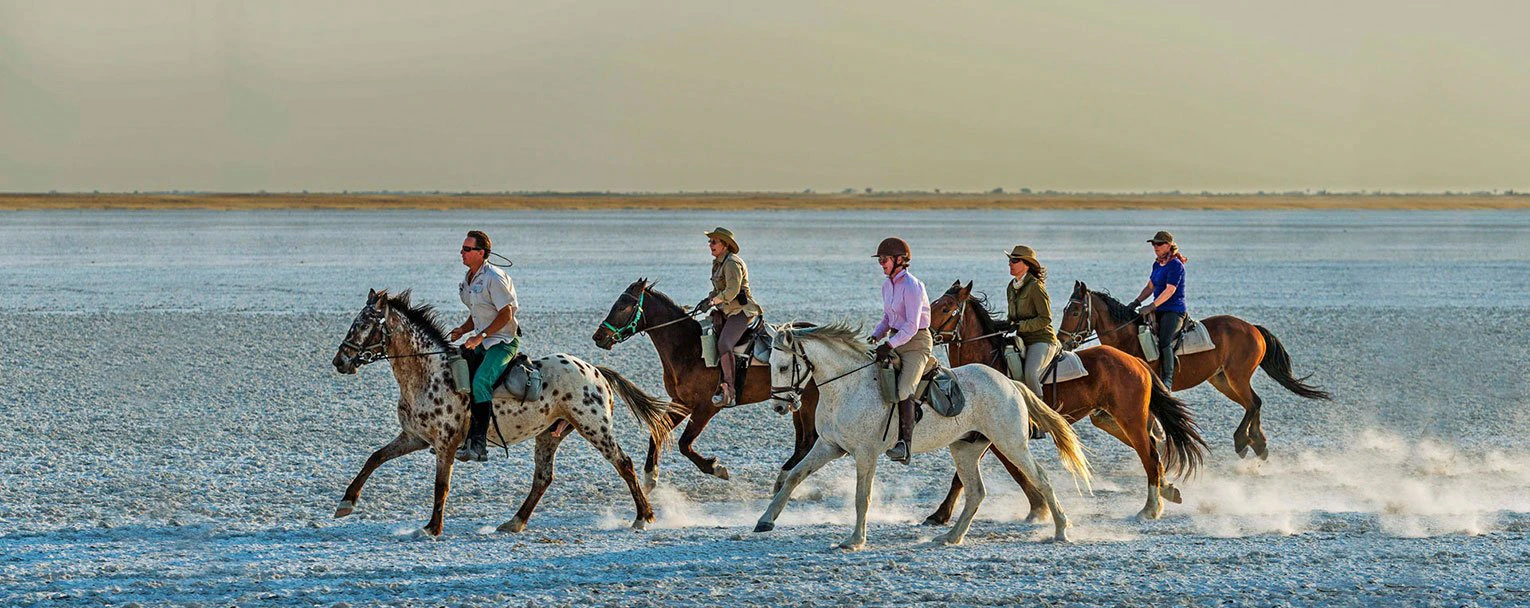
Horseback Safari
.gardine-gradient-big

Wildlife Conservation
.gardine-gradient-big