Overview

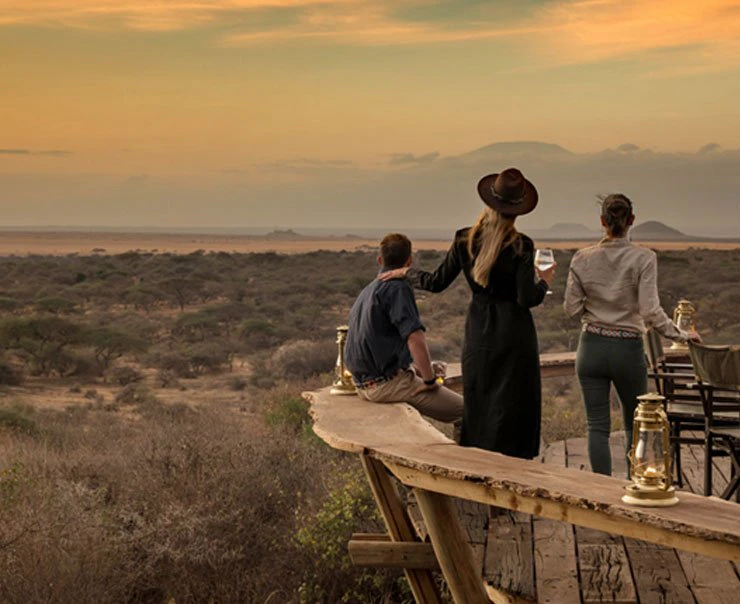
The Ngorongoro Conservation Area, a UNESCO World Heritage site in northern Tanzania, is a one-of-a-kind safari destination. Dominated by the vast Ngorongoro Crater, the world’s largest inactive volcanic caldera, the area is home to an array of wildlife, including the Big Five. The conservation area features numerous different landscapes, as well as the archaeological site of Olduvai Gorge, which provides insights into early human evolution.

Visitors to the Ngorongoro Conservation Area can enjoy a variety of activities, from game drives within the crater to cultural visits with the Maasai communities who inhabit the region. The crater floor, with its year-round water supply, supports a dense population of animals in a uniquely confined area. The blend of rich biodiversity, stunning landscapes, and cultural heritage makes Ngorongoro a must-visit destination.

Accommodation

Our top picks

The Highlands is a comfortable and stylish high-altitude camp which offers exclusive access while providing unique adventures and activities that are not available elsewhere in Ngorongoro.

HIGHLIGHTS

Private Hot Tub

Spa & Wellness

Private Deck

Safari Shop

Fire Pit

Eco-Friendly

Ngorongoro Crater Lodge offers luxurious accommodations with breathtaking views over the Ngorongoro Crater, blending opulent design with a prime location for wildlife viewing.

HIGHLIGHTS

Private Butler

Wine Store

Private Chef

Safari Shop

Private Deck

Spa & Wellness

Gym-in-a-Basket

Laundry Service

The Manor at Ngorongoro offers elegant accommodations set within a lush coffee estate, combining sophisticated charm with proximity to the Ngorongoro Conservation Area for an exceptional safari experience.

HIGHLIGHTS

Private Deck

Pool

Wine Cellar

Snooker Room

Spa & Wellness

Library

Want to see more?

The above accommodation options are just a small sample of the 100’s we have for you to choose from. Get in touch for more amazing options, pricing and personalized itineraries!

Crater of Wonders

The Ngorongoro Crater is a geological marvel and one of Africa’s most iconic natural landmarks. Formed millions of years ago by the collapse of a massive volcano, the crater is the world’s largest intact volcanic caldera, covering an area of approximately 100 square miles and descending nearly 2,000 feet deep.

The crater is a natural enclosure for an extraordinary density of wildlife. The varied terrain within the crater, which includes open grasslands, acacia woodlands, and swamps, supports a thriving ecosystem, whilst the seasonal Lake Magadi attracts flocks of flamingos. Beyond its natural beauty, the Crater is culturally significant and is home to the Maasai people, who live in harmony with the wildlife and practice traditional pastoralism.

Meet the Maasai

The Maasai are a semi-nomadic ethnic group known for their distinctive culture, traditional dress, and close relationship with the land. Living in harmony with the wildlife of the Ngorongoro Crater, they maintain their lifestyle, herding cattle, goats, and sheep across vast landscapes. The Ngorongoro Conservation Area was established with the dual purpose of protecting wildlife while allowing the Maasai to continue their traditional way of life, making it one of the few places in the world where conservation and indigenous culture coexist.

The Maasai are recognizable by their colorful shukas (cloth wraps) and intricate beadwork, which are important aspects of their cultural identity. Their traditional way of life has been largely unaffected by modern influences, with customs and social structures passed down through generations. They play a significant role in the region’s eco-tourism and their presence in the crater adds a unique cultural dimension to the destination.

The Sands of Time

Olduvai Gorge, often referred to as the “Cradle of Mankind,” is one of the most important paleoanthropological sites in the world. This steep-sided ravine has yielded some of the earliest evidence of human ancestors, with fossils dating back nearly two million years. Discovered by renowned paleoanthropologists Louis and Mary Leakey in the 1930s, Olduvai Gorge has since provided invaluable insights into the evolution of humans, with the remains of early hominins, stone tools, and ancient animal bones unearthed from its layers.

The nearby Shifting Sands are another fascinating natural phenomenon within the Ngorongoro Conservation Area. These crescent-shaped dunes, composed of volcanic ash from the nearby Oldoinyo Lengai volcano, are remarkable for their ability to move across the landscape, driven by strong winds. The dunes, which are about 9 meters high and 100 meters long, shift their position by several meters each year, yet they maintain their unique shape.

Kings of the Crater

The Ngorongoro Crater is renowned for its exceptionally high concentration of predators, making it one of the most thrilling safari destinations in Africa for observing predator-prey interactions. The abundance of herbivores, such as wildebeest, zebras, and buffalo, provides a constant food source, which sustains these large predator populations.

Lions are particularly numerous in the crater, with prides that are known for their size and strength. The crater’s geography allows for excellent visibility, making it easier for visitors to observe predators in action. The high predator density and enclosed nature of the crater vastly increases the likelihood of witnessing a hunt.

Experiences
Walking Safari

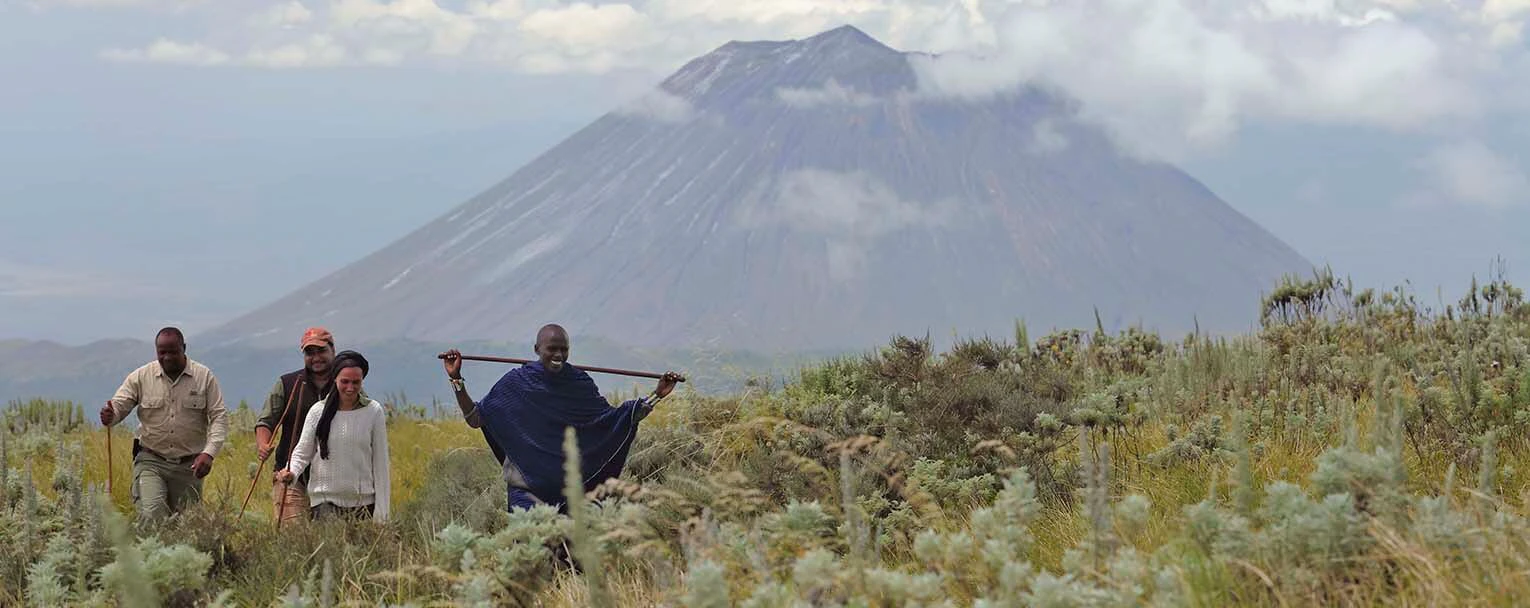
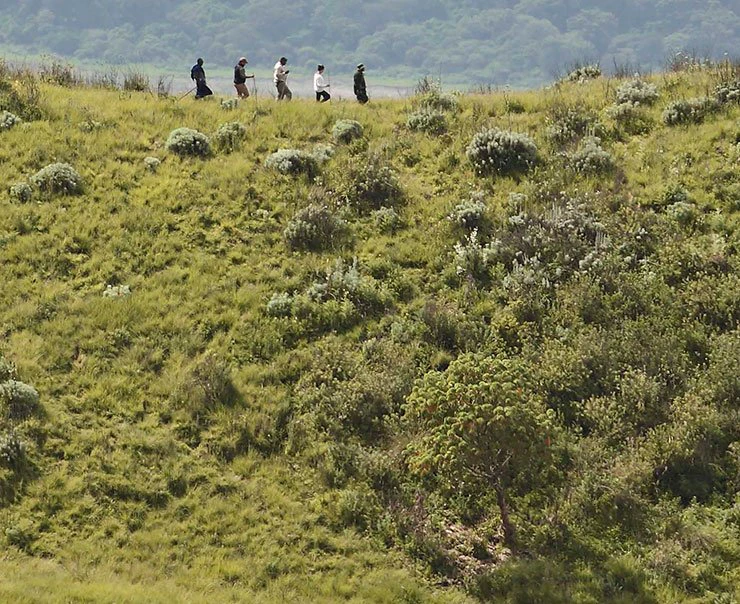
Explore Ngorongoro’s distinctive terrain on a guided walking safari, and venture through lush highlands leading into the volcanic crater and its breathtaking scenery.

.gardine-gradient-small

The Big 5

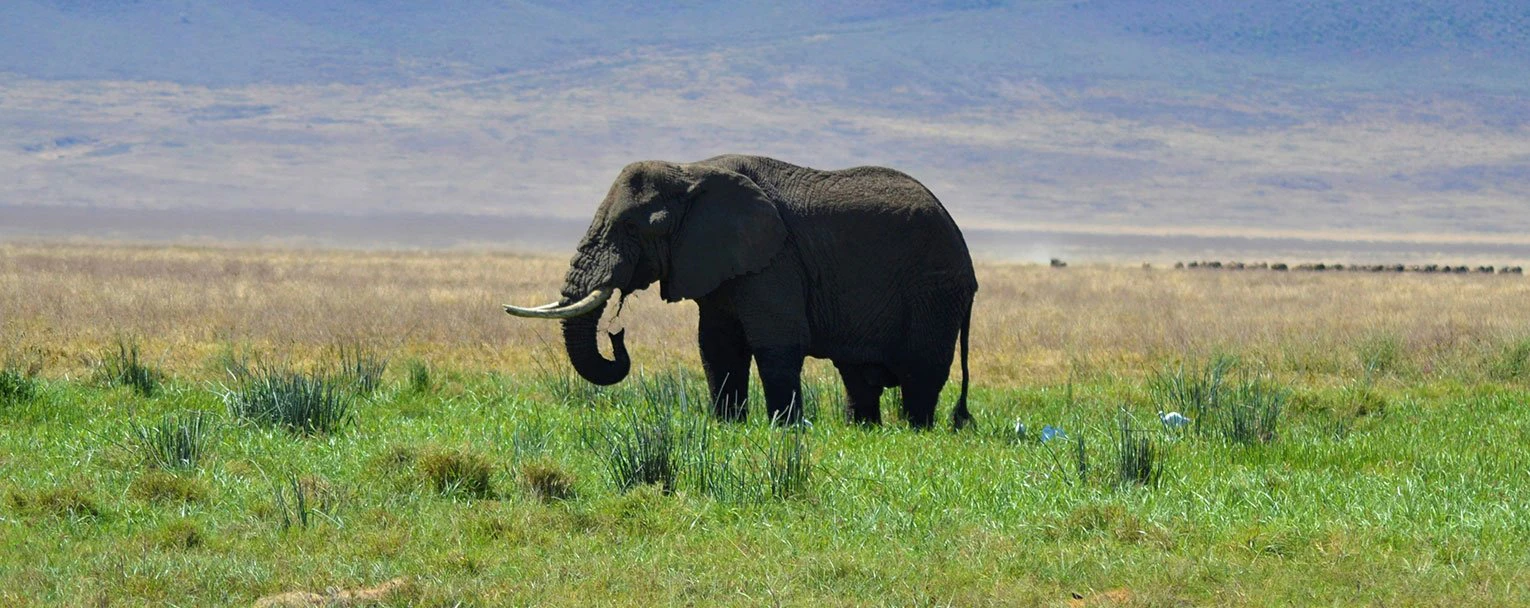
The Crater is known for its high concentration of Big 5 wildlife, including the elusive black rhino, which are more challenging to spot in other areas of Tanzania.

.gardine-gradient-big

Birdwatching

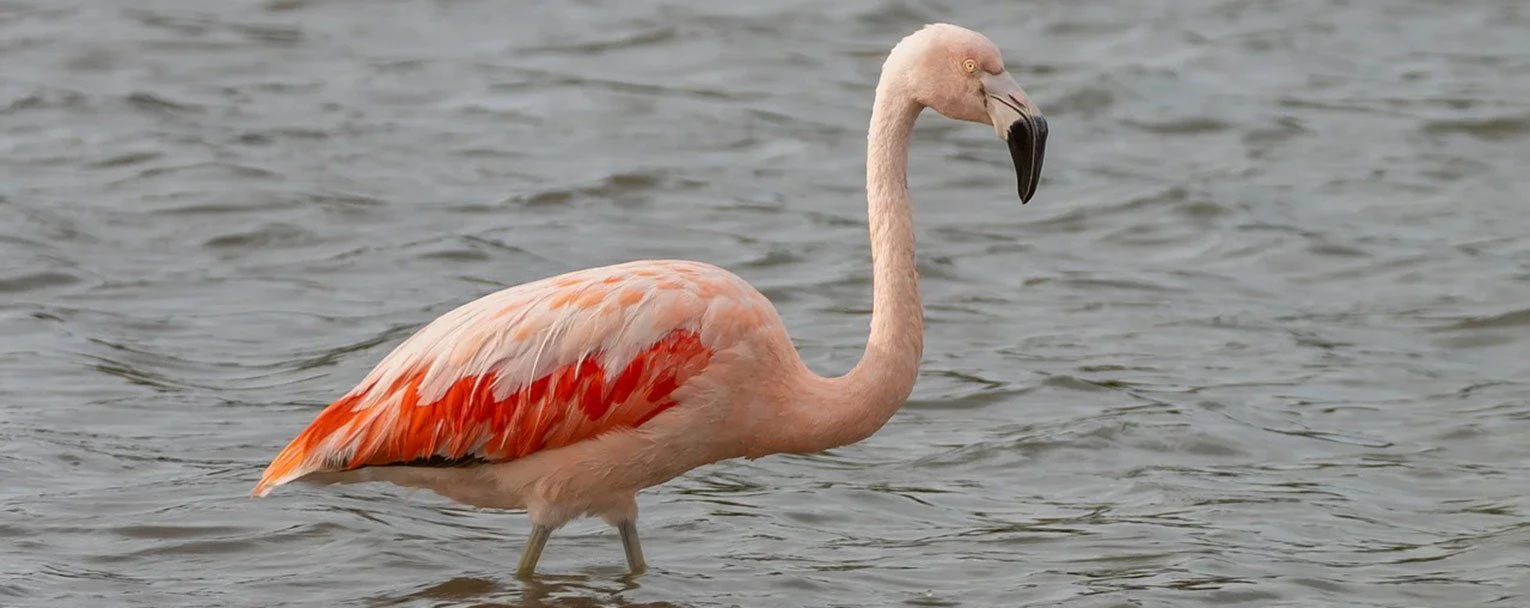
Home to over 500 bird species, guests can observe vibrant flocks of flamingos around Lake Magadi plus a variety of raptors that soar above the crater floor.

.gardine-gradient-big

Big Cats

A combination of diverse habitats and rich predator populations makes Ngorongoro Crater a prime destination for observing big cats in their natural environment.​

.gardine-gradient-small

Mountain Biking

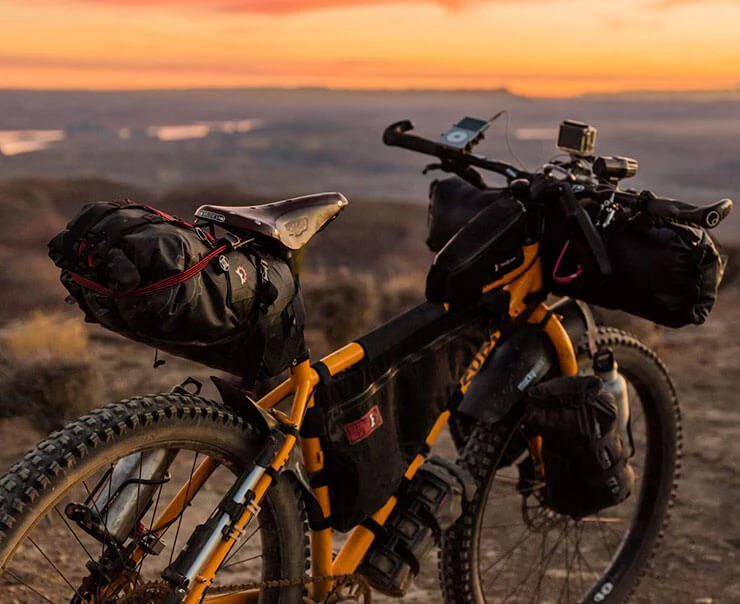
Mountain biking along the rim of the crater is an exhilarating way to explore the distinctive environment and stunning views of Ngorongoro.

.gardine-gradient-small

Horseback Riding

Horseback riding along the crater’s edge offers a unique and thrilling way to explore the breathtaking landscapes and observe wildlife up close.

.gardine-gradient-big

Hiking

Enjoy a breathtaking view of Olmoti Crater, descend into Empakaai Crater or hike through Ol Doinyo Lengai volcano amidst lush forests and spectacular birdlife.

.gardine-gradient-big

Coffee Tours

Join an immersive experience into the region’s rich coffee-growing heritage, where visitors can explore plantations and savor fresh local brews.

.gardine-gradient-small

Cultural Tours

Immerse yourself in an afternoon with the Maasai in a nearby village or spend a day with the Hadzabe people near Lake Eyasi.

.gardine-gradient-small

Spa & Wellness

Treat yourself to a tranquil spa experience, whether it’s after a flight or a day of thrilling adventures.

.gardine-gradient-big

Wildlife Conservation

Interact with the KopeLion team to understand their daily conservation efforts and the unique experience of the Maasai living alongside wildlife.

.gardine-gradient-big

Seasons

Why travel at this time

The season’s brief rains transform the landscape into a vibrant green oasis teeming with wildlife. The period is ideal for witnessing animals grazing on fresh grasses and for spotting migratory birds. With fewer tourists around, guests can enjoy a more intimate and serene safari, while off-peak rates provide excellent value on accommodations.

Climate

The weather at this time is typically warm during the day, while the crater’s elevation means cooler evenings. Whilst the rains are more short-lived compared to other times of the year, they can be less predictable, so be sure to pack appropriate waterproof clothing.

Low Temp: 11ºC / 52ºF
High Temp: 23ºC / 73ºF
70mm / 2.8in (monthly)
Why travel at this time

The Short Dry Season is a particularly rewarding time to visit, with the crater’s ecosystem thriving as animals congregate in the lush grasslands nourished by the preceding rains. The clear, bright skies not only show off the crater’s natural beauty, but also make big predator sightings more likely.

Climate

Temperatures during these months are not overly different to those of the Short Rainy season, but with significantly less rainfall to worry about.

Low Temp: 12ºC / 54ºF
High Temp: 23ºC / 73ºF
30mm / 1.2in (monthly)
Why travel at this time

Exploring Ngorongoro during the Long Rainy Season allows guests to experience the area’s natural beauty at its most vibrant and unspoiled. It is the time of year where the greatest number of migratory birds arrive, and keen photographers will revel in capturing the dramatic skies and rich, saturated colors. The lower tourist numbers means not only more attractive accommodation rates, but a more intimate feel during safaris.

Climate

Of course, the area receives significant rainfall during this time of the year. These heavy showers can impact travel conditions, so flexibility when planning your day is important. However temperatures are typically moderate, so guests can enjoy the stunning landscapes that the rains provide in comfort.

Low Temp: 11ºC / 50ºF
High Temp: 22ºC / 72ºF
100mm / 4in (monthly)
Why travel at this time

The period’s lack of rainfall means that not only do higher concentrations of animals gather around increasingly smaller water sources, but the reduced vegetation and clear skies makes viewing them much easier. As a result the Dry season is the most popular time to visit, so accommodation fills up quickly and game drives can be busier.

Climate

The Dry season is also the winter season in Tanzania, which means warm, sunny days followed by cool evenings. There is also next to no rainfall, making travel conditions much less complicated and lower humidity allows for more comfortable game drives.

Low Temp: 8ºC / 46ºF
High Temp: 22ºC / 72ºF
15mm / 0.6in (monthly)

Need assistance?

Contact a friendly travel specialist and discover your next vacation destination.