Overview

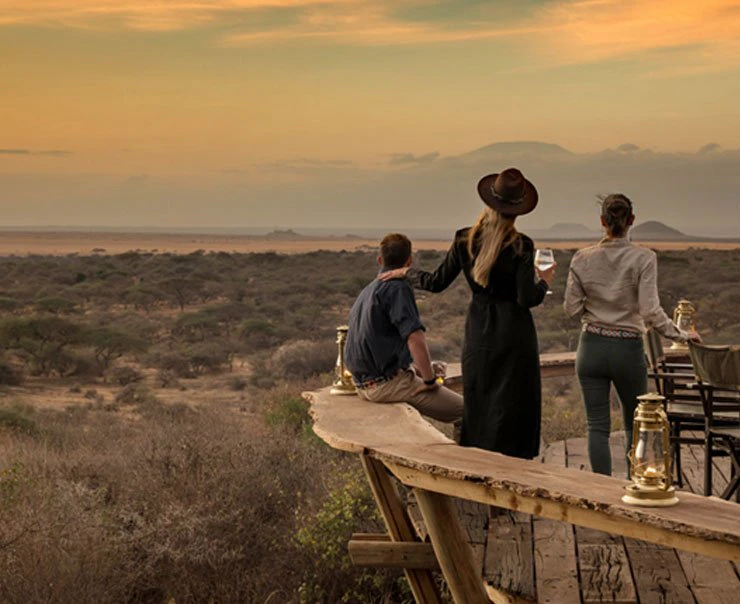
The enchanting Tarangire National Park is a captivating safari destination known for its unique landscapes and abundant wildlife. Spanning approximately 1,100 square miles, the park is characterized by its iconic baobab trees, dense woodlands, and the life-sustaining Tarangire River, which attracts a variety of animals, especially during the dry season. As a critical water source, particularly in the dryer months, the river draws in large herds of elephants, one of the park’s main attractions, as well as buffalo, zebras, wildebeests, and other herbivores​.

The park is also has a large predator population that includes lions, leopards, and cheetahs, as well as smaller carnivores like hyenas and jackals. Bird enthusiasts will find Tarangire particularly rewarding, with over 500 bird species recorded, ranging from ostriches and eagles to colorful kingfishers and lovebirds. Tarangire’s distinct combination of lush swamps, seasonal riverbeds, and sprawling forests makes it yet another distinctive safari destination in Tanzania.
Accommodation

Our top picks

Oliver’s Camp is perfect for those seeking an adventurous safari in Tanzania while still enjoying plenty of comforts.

HIGHLIGHTS

Private Deck

Pool

Dinner in the Bush

Fire Pit

Laundry Service

Tarangire Treetops is a unique lodge that offers elevated rooms with expansive views, luxurious accommodations, and unforgettable dining experiences amidst the African wilderness.

HIGHLIGHTS

Pool

Private Deck

Dinner in the Bush

Fine Dining

Fire Pit

Laundry Service

Nyikani Camp in Tarangire boasts comfortable tented accommodations, surrounded by acacia trees and abundant wildlife for a memorable safari experience.

HIGHLIGHTS

Private Safari Vehicle

Dinner in the Bush

Private Chef

Private Deck

Eco-Friendly

Want to see more?

The above accommodation options are just a small sample of the 100’s we have for you to choose from. Get in touch for more amazing options, pricing and personalized itineraries!

The Trees of Life

The baobab trees of Tarangire National Park are among its most striking features. Known as the “Tree of Life,” these ancient giants are easily recognizable by their massive trunks and gnarled branches. Baobabs are integral to the park’s ecosystem, providing food and water for various animals. During the dry season, elephants are often seen stripping the bark for moisture, while other wildlife, such as baboons and birds, take refuge in the trees’ hollows​.

These trees are not only vital for wildlife but are also culturally significant. Local legends say that baobabs were uprooted and planted upside down by the gods, giving them their distinctive appearance. Some are thought to be over a thousand years old, serving as silent witnesses to the passage of time, and their presence contributes to the park’s unique aesthetic.

Our Own Migration

Tarangire hosts its own lesser-known – but no less impressive – wildlife migration during the dry season between June and October. As water sources outside the park diminish, thousands of animals migrate towards the reliable water supply of the Tarangire River and the park’s swamps. This includes large herds of zebras, wildebeests, buffalo, and various antelope species such as impalas and elands.

This seasonal movement of herbivores into Tarangire invariably attracts predators, including the three big cats, who follow the herds in search of prey. As a result, visitors during the dry season have a higher chance of witnessing predator-prey interactions.

Swamp Creatures

Silale Swamp serves as a crucial water source in Tarangire National Park, especially during the dry months. It provides a lush habitat that contrasts with the drier surrounding areas, making it a magnet for elephants, buffalo and various antelope species, and of course the various predators that stalk them.

The swamp also plays a vital role in supporting the park’s elephant population. Large herds of elephants are frequently seen wading through the swamp to bathe and feed. This makes Silale Swamp one of the best spots in Tarangire for wildlife viewing, providing opportunities to see a variety of animals in a relatively small area​.

Elephants Never Forget

Tarangire is known for its impressive elephant herds, among the largest in Tanzania. During the hottest months of the year, herds of up to 300 can often be seen gathering along the banks of the Tarangire River​.

Not only are these elephants numerous, but they also display unique behaviors not commonly found in other herds. Specifically, they often dig deep into the dry riverbeds to access underground water, a remarkable display of their intelligence and adaptability. The presence of these large herds is vital to the ecosystem, as they help shape the landscape by knocking down trees and creating clearings, which benefits other wildlife species​.

Experiences

Hot Air Balloon Safari

Hot air balloon safaris in Tarangire National Park offer a breathtaking and serene experience, allowing you to glide over the park’s diverse landscapes at sunrise.

.gardine-gradient-small

Night Drives

Witness the behavior of less commonly seen nocturnal animals, such as bush babies and porcupines, as you enjoy an entirely different safari experience.

.gardine-gradient-big

Walking Safari

Walking safaris offer a different perspective than traditional game drives, allowing you to experience the sights, sounds, and smells of the bush up close.

.gardine-gradient-big

Birdwatching

Tarangire Naitonal Park is home to over 500 bird species, including the striking yellow-collared lovebird, the giant lappet-faced vulture, and the colorful Fischer’s lovebird.​

.gardine-gradient-small

Stargazing

Enjoy a serene and awe-inspiring experience, where the minimal light pollution and clear African skies reveal a brilliant display of stars.

.gardine-gradient-small

Cultural Tours

Experience the traditional way of life of both the Maasai and Datoga communities, where hospitable locals of all ages warmly welcome guests.

.gardine-gradient-big

Wildlife Conservation

Visitors can participate in conservation activities like monitoring wildlife, and gain a greater understanding of the importance of preserving habitats such as the Silale Swamp.

.gardine-gradient-big

Seasons

Why travel at this time

The Short Rainy season in Tarangire is marked by rejuvenated landscapes and dynamic wildlife activity. The lush greenery attracts large herds of elephants and other herbivores, as well as migratory bird species. The area’s iconic baobab trees are particularly striking against the verdant backdrop, providing stunning photographic opportunities. With fewer tourists in the park, guests can enjoy more personal and unhurried game drives.

Climate

The season is typified by its moderate, albeit unpredictable, rainfall. As this is the start of the summer, daytime temperatures are usually high – at around 30°C (86°F) – as are humidity levels. However the mornings and early evenings, when game drives take place, are much cooler.

Low Temp: 19ºC / 66ºF
High Temp: 30ºC / 86ºF
100mm / 4in (monthly)
Why travel at this time

January and February are both excellent months for game viewing, especially when seeking Taragire’s famed elephant population, due to the diminished water sources and vegetation. The period is still relatively quiet from a tourist point of view, especially when compared to the Dry season, and the blue, sunny skies are perfect for taking great photos.

Climate

For those visiting during the Short Dry season, expect hot weather during the day, followed by mild evenings. The minimal rainfall and consistent sunshine ensures that roads and trails are easily accessible.

Low Temp: 19ºC / 66ºF
High Temp: 31ºC / 88ºF
30mm / 1in (monthly)
Why travel at this time

For many, the Long Rainy Season is the most underrated time to visit Tarangire, as the park is at its most lush, and visually striking. Spring time is also when calving season takes place, and guests have the chance to see baby animals taking their first steps. The season is also the least busy time to visit, and accommodation rates tend to be very competitive – with the added bonus of feeling that you have the whole park to yourself.

Climate

The rains during this period can be heavy and may occur intermittently throughout the day, so waterproof clothing is highly recommended. They can also make certain areas challenging to access, and some lodges or camps may close during this period. Its important to remember, however, that the rains do not last the whole day, and that spring remains the most visually vivid time of year to visit the area.

Low Temp: 18ºC / 64ºF
High Temp: 28ºC / 82ºF
200mm / 8in (monthly)
Why travel at this time

As the dry conditions intensify, animals gather in impressive numbers around the Tarangire River and remaining waterholes, invariably followed by large predators. Alongside the clear skies and sparse vegetation, this all combines to make the Dry season the most popular time to visit Tarangire. It is important, therefore, to book your accommodation early to secure the best deal.

Climate

Daytime temperatures are extremely comfortable and humidity levels are low, which is ideal for spending hours out in the bush tracking the animals. The lack of rainfall and dry conditions also mean that traveling to and from Tarangire is straightforward.

Low Temp: 14ºC / 57ºF
High Temp: 26ºC / 79ºF
5mm / 0.2in (monthly)

Need assistance?

Contact a friendly travel specialist and discover your next vacation destination.